Exact-route selection
Select the API route explicitly and inspect its current tier. Review upstream versions and pool membership separately: the route ID is stable, not a guarantee of frozen model weights.
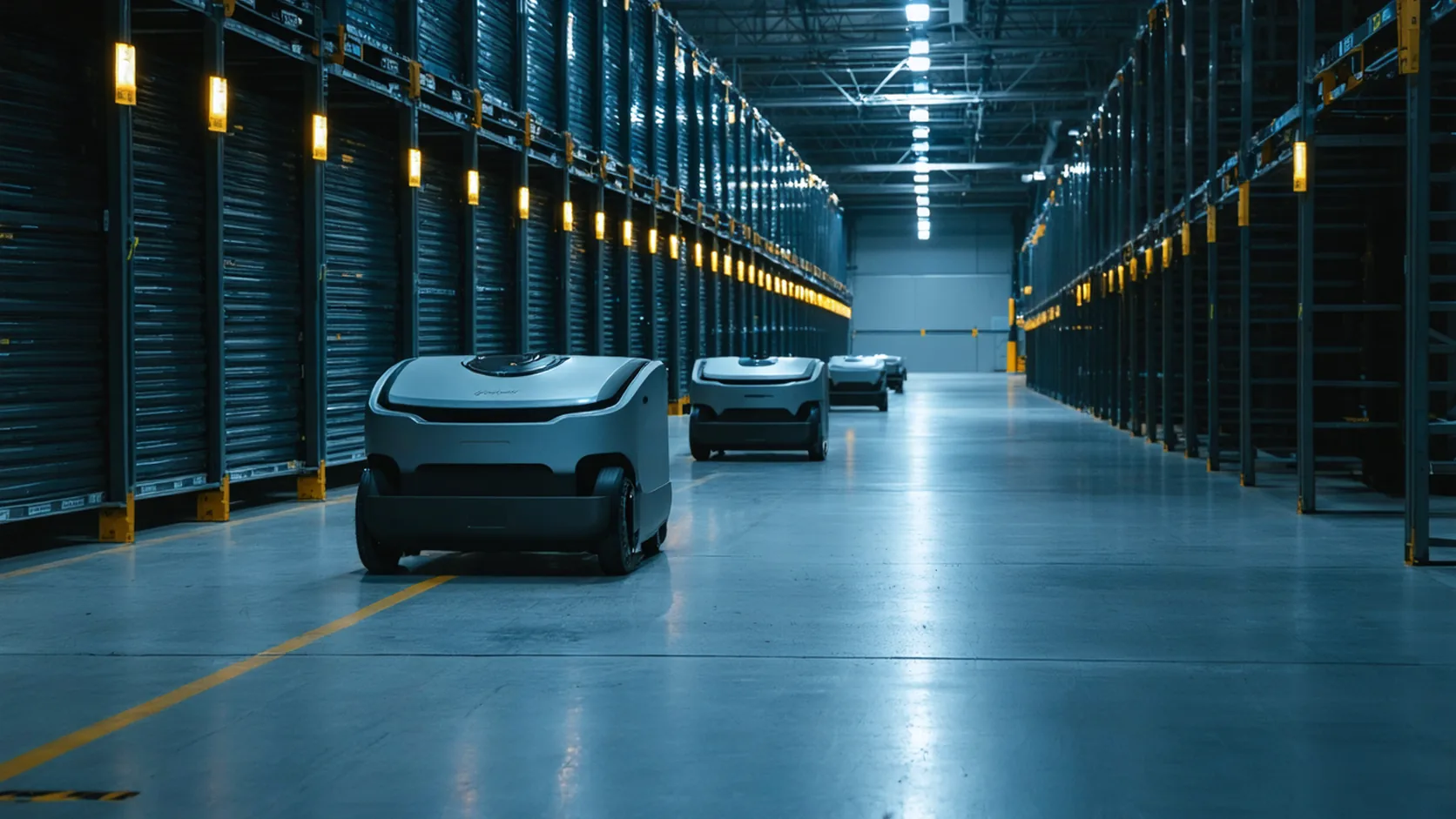
Robotics
Tier 2 planned for Q1 2027
Plan your workload on NI-owned Canadian hardware, without a US cloud provider.
Northern Inference is a network API. Keep motion control, collision avoidance and emergency stops on the robot. Send only work that can wait for a round trip and stays safe when a request fails or returns no usable answer. Usage records show the model-call latency NI measured; NI's own request handling and your network add to it, so measure the full round trip from the robot.
Select the API route explicitly and inspect its current tier. Review upstream versions and pool membership separately: the route ID is stable, not a guarantee of frozen model weights.
Live Tier 3 routes select Canadian provider regions, and new API keys can call only Tier 3 routes until you allow Tier 4. NI records its selected path; provider documentation and contracts govern execution inside the provider.
On Tier 3 today, the gpt-4.1-mini-t3 chat route reads still images; its provider lists the model for retirement in April 2027. The titan-embed-image-t3 route turns images into vectors for search. No Tier 3 route takes video or audio, and NI does not move images to another tier. Image input on the models planned for Tier 2 is not established.
Inspect the recorded route, provider and jurisdiction for a request. Attach NI's path evidence to your assessment alongside provider terms and your own validation.
Detected identifiers in supported English text messages can be substituted before dispatch. NI does not redact faces or licence plates in images. With substitution on, NI refuses requests that carry images, audio or tool-call history, and embedding, rerank and Responses API requests. A request can switch substitution off. Review detection limits and retained substitution audit records; this control is not guaranteed anonymization.
Content Debug Mode is off by default and needs a double opt-in; while it runs, captured requests can include camera frames. Review training and retention separately for each route: no training and zero retention are different properties. Tier 4 includes US and global boundaries.
Review current models and routes. Custody evidence describes NI's recorded path; provider evidence governs operations inside the provider.
Evaluate live capabilities today. Planned capabilities describe the roadmap and require a separate availability discussion.
| Capability | Status | Scope |
|---|---|---|
| Canadian routing | Live | Tier 3 selected Canadian provider routes, subject to current availability and terms. |
| Exact routes and custody | Live | Explicit route selection and request metadata, with the boundaries described above. |
| PII and content controls | Live | Supported text paths; review detection limits, audit retention and logging settings. |
| Data-use disclosures | Live | Sourced training posture for each route; retention is shown where sourced and otherwise unverified. |
| Tier 1 and Tier 2 | Planned | Tier 1: customer-hosted hardware. Tier 2: NI-owned Canadian hardware. Both are planned. |
| NI SOC 2 assessment | Planned | Review the trust page for current controls and the scope of provider assurance. |
Where robot cameras capture the public in publicly accessible areas, the federal privacy regulator's video surveillance guidelines may apply; they ask businesses for minimum collection and clear notice. Employers covered by Ontario's Employment Standards Act with 25 or more employees in Ontario on January 1 need a written electronic monitoring policy, which may need to cover robot sensors that observe staff. NI custody records show the route and provider NI recorded for a request.
Federal biometrics guidance says a unique numerical representation of a face, created while analyzing an image, can be sensitive biometric information even if it is deleted within milliseconds. In Quebec, identity checks by face or voice need prior disclosure to the regulator, express consent and an alternative for people who refuse. The regulator adds that consent does not replace the necessity test. NI's PII substitution does not process images or audio. Today the only audio route is Tier 4, and the provider of the only Tier 3 image chat route can keep prompts flagged for human abuse review with no stated maximum retention.
The Quebec privacy regulator describes an assessment and written agreement before communicating personal information outside Quebec. A Canadian route can still leave Quebec. Where PIPEDA applies, an organization that transfers personal information for processing stays accountable for it, as the federal privacy regulator explains. Review provider terms and data-use disclosures alongside NI custody records.
Your legal and risk teams determine the applicable requirements and approve the proposed use.
Keep these workflows outside the control loop and try them first with synthetic or redacted data. Operators and engineers review each output before it changes a task, a configuration or a record.
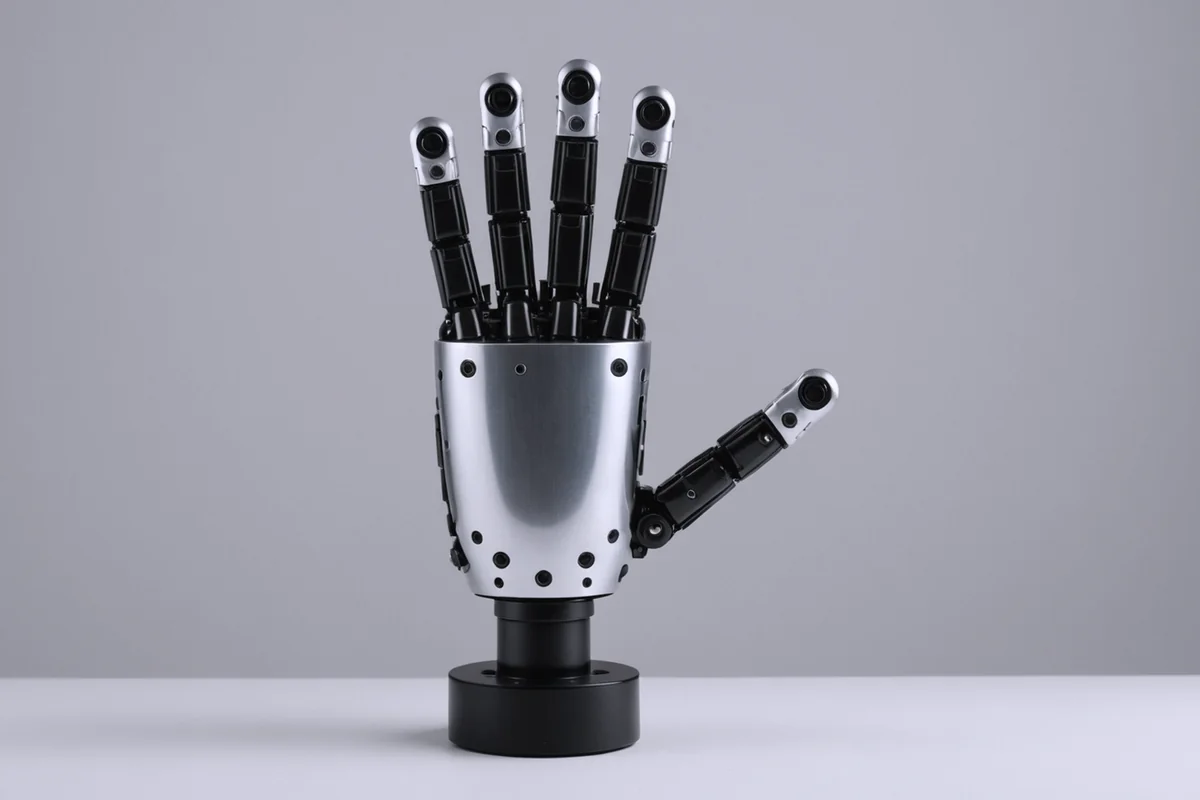
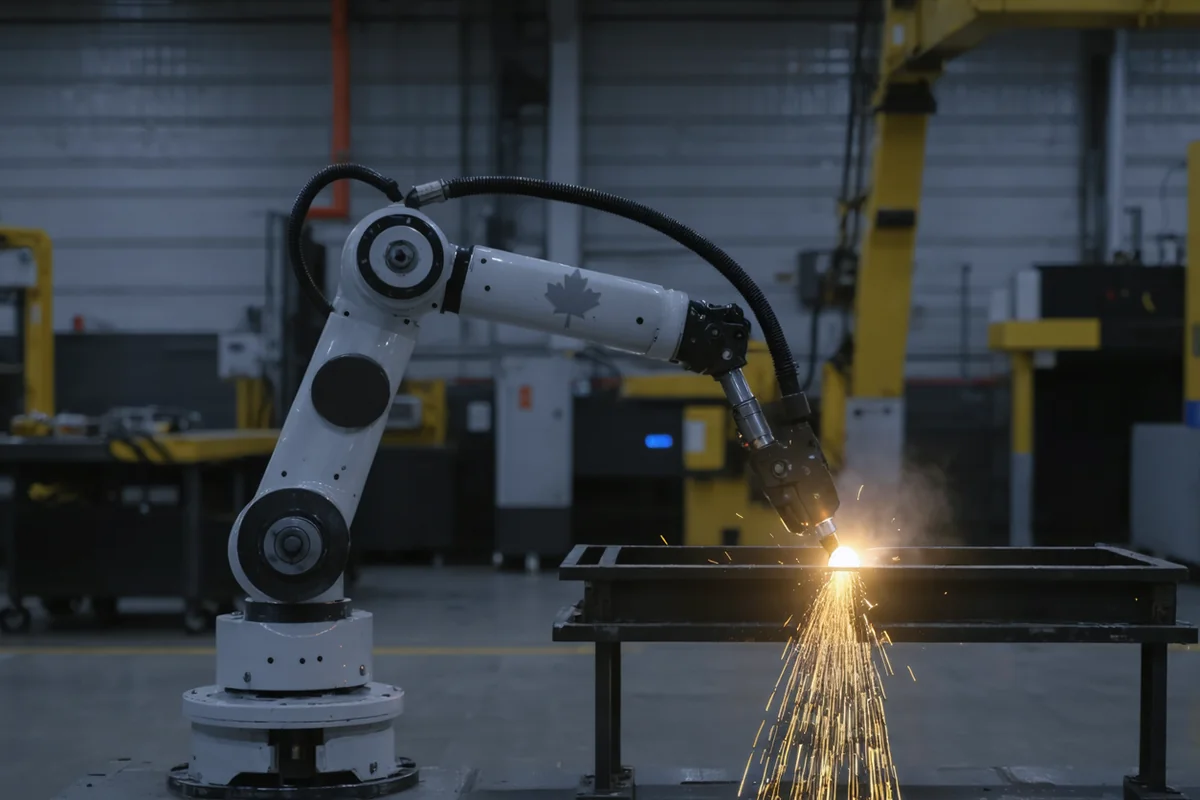
Turn operator instructions into proposed task plans with function calling, on routes that support it. Check each plan against your own limits before a robot runs it.
Ask an image-capable route to describe a redacted still frame from an inspection or a stalled task. An operator confirms the description before a record or task changes.
Search manuals and parts images with Tier 3 embeddings, and summarize fault logs and incident reports. Technicians check answers against the source documents before acting.
A Canadian supplier
Tell us which sensor data your robots would send, the permitted jurisdictions, retention requirements and the evidence your reviewers need. We'll map the requirement to live service and identify any additional work or planned capacity.
Start the conversation